Start with how you want to reach for your dog’s collar. Keep it in a lidded box if you want to take it out often. Display just the ID tag if it comes off easily and you want a small reminder. If you’d like the collar and a photo in one frame, measure the buckle and check how the frame opens before you buy it.
Three Ways to Keep or Display Your Dog’s Collar
| Option | When it fits | What to check | How you’ll take it out |
|---|---|---|---|
| Keep the whole collar in a box | You want to handle it occasionally or keep it out of sight. | Measure the width, length, and height of the collar as it naturally rests. | Lift it with the strap and buckle supported. |
| Display just the original tag | You have a small space and the tag is easy to detach. | Check the tag’s width and height with the ring attached, plus the size of the stand. | Lift the tag off an open support or unclip it from a removable hook. |
| Put the collar and a photo in a shadow box | You want both pieces visible together. | Check the visible opening, the usable depth, and how you’ll reach the mount. | Untie the loops or lift it off its supports if the design allows. |
If the tag is stuck on the ring, keep it attached and face it outward in the display. You can also photograph both sides and keep the original assembly in a box. If you’re still choosing between a keepsake, a shared family tribute, or a place to visit, see our guide to dog memorial ideas for families.
Four Measurements to Check Before You Buy a Shadow Box
- The collar’s natural width. Set the collar on a table in the shape you plan to display. Measure across its widest point. Keep the shape it can hold easily, especially if the leather has stiffened.
- The buckle’s highest point. Stand a ruler beside the thickest buckle, clasp, or ring. Measure from the surface supporting the collar to the top of that part. Include the height of any support that will lift it toward the glass.
- How far the tag hangs. Hold the collar at its intended display angle, supporting the strap and buckle as you do. If it can hang freely, measure from the collar’s lower edge to the bottom of the tag, with the ring included. Check the full height of the arrangement and leave room around the photo.
- The frame’s usable interior depth. Ask the seller for the space between the installed lining or backing and the inside of the closed glass or acrylic. Use that measurement to check clearance. The collar and its hardware should fit without pressing against the front. American Frame explains how shadow boxes use space between the displayed item and the glazing. American Frame’s shadow box guide

Try the Layout on Paper First
Fictional example. Sarah wants to display Max’s collar under a 4 × 6-inch photo. She cuts a sheet of paper to the frame’s visible opening and marks out the photo. The tag hangs below the bottom edge when the collar sits in a tight oval. She tries a shallow curve and moves the photo up until both pieces are visible.
The buckle sits about 7/8 inch above the surface. A frame with 3/4 inch of usable depth is too shallow even before she adds a support. Sarah checks the next frame’s usable depth and door opening before ordering. The paper layout checks what you can see from the front. The ruler checks what fits behind the glazing.

Choose a Mount You Can Undo
For a sturdy collar, ask the framer about removable fabric loops secured to the backing or a fitted support that holds the collar from below. Keep the loops loose enough to avoid squeezing the strap, and give a heavy buckle or tag its own support so it doesn’t pull on one spot. Keep glue, tape, and pins off the original collar. With a front-opening frame, check that the open door leaves enough room for your hand to reach the loops or lift the collar out. Try the layout upright over a padded surface before hanging it. If the hardware shifts, use a flat display or ask a framer for a fitted mount.
The Canadian Conservation Institute’s textile mounting instructions apply to small, light, flat textiles. For worn leather, its guidance emphasizes support during handling, especially when the material has become brittle. If a collar is flaking, stiff, or frayed, keep it supported in the shape it already holds. A lidded box is an option when a vertical mount would put weight on weak spots. CCI guidance on mounting small textiles · CCI guidance on caring for leather
Keep the Collar and the Photo Separate if That Fits Better
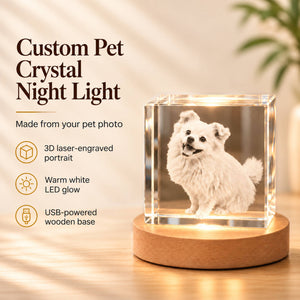
You can keep the collar in a box and set out a print or a portrait beside it. If you’d like an indoor keepsake made from a photo, PetPortraArt offers a hand-painted layered glass pet portrait. Once you’ve chosen what you want visible, see our guide to setting up a small memorial space at home.
Frequently Asked Questions
How do I measure a buckle that’s thicker than the strap?
Lay the collar in the shape you want to display and stand a ruler beside the highest point. Measure up from the surface supporting the collar. If the mount lifts the buckle, check that added height against the frame’s usable depth too.
What if the ID tag won’t come off the collar?
Leave the tag on its ring if it doesn’t come off easily. You can keep the whole collar in a box or display it as one piece with the tag facing forward.
Can I display a frayed or stiff collar?
Start with a flat, supported layout that follows the shape it already holds. Rest a heavy buckle on the same support so it doesn’t pull on the strap. If the collar sheds material when moved, leave it supported in a box and display a photo of it.
How can I test the collar and photo layout before ordering?
Cut paper to the frame’s visible opening, then place a photo-sized paper rectangle and the collar inside it. Check that the hanging tag clears the bottom edge and leaves the photo visible. Measure depth separately.
Which display makes it easiest to take the collar out again?
For frequent handling, a lidded box gives you direct access. For a wall display, check whether a front-opening shadow box lets you lift the collar off its supports or untie its loops without removing the backing.